The People Who Shape the Story
Every room, street, hospital ward, period interior or alien landscape you see on screen, whether in a film, TV drama or commercial, was designed, built, dressed and finished by a team of people working to make it look real. Not just believable. Real enough that you do not think about it at all.
That is what the art department does. And it is made up of many different roles, each bringing a different skill set to the production.
As part of this series, we have been speaking to people across the art department and the wider teams who help bring a production to life on screen. We wanted to understand how they got into the industry, what their role involves day to day, who they work most closely with, and what helps a project run smoothly.
That might include the design of sets, locations, graphics, props, dressing, finishes, scenery and all the physical details that help tell the story on screen. The department works closely with the director, cinematographer, locations, construction, set decoration, props, scenic teams and many others.
No two productions are structured in exactly the same way. A large feature film may have a big art department with many specialist roles. A smaller television drama, commercial or music video may need people to work more flexibly across several areas.
The aim is always the same: to create a world that serves the story.
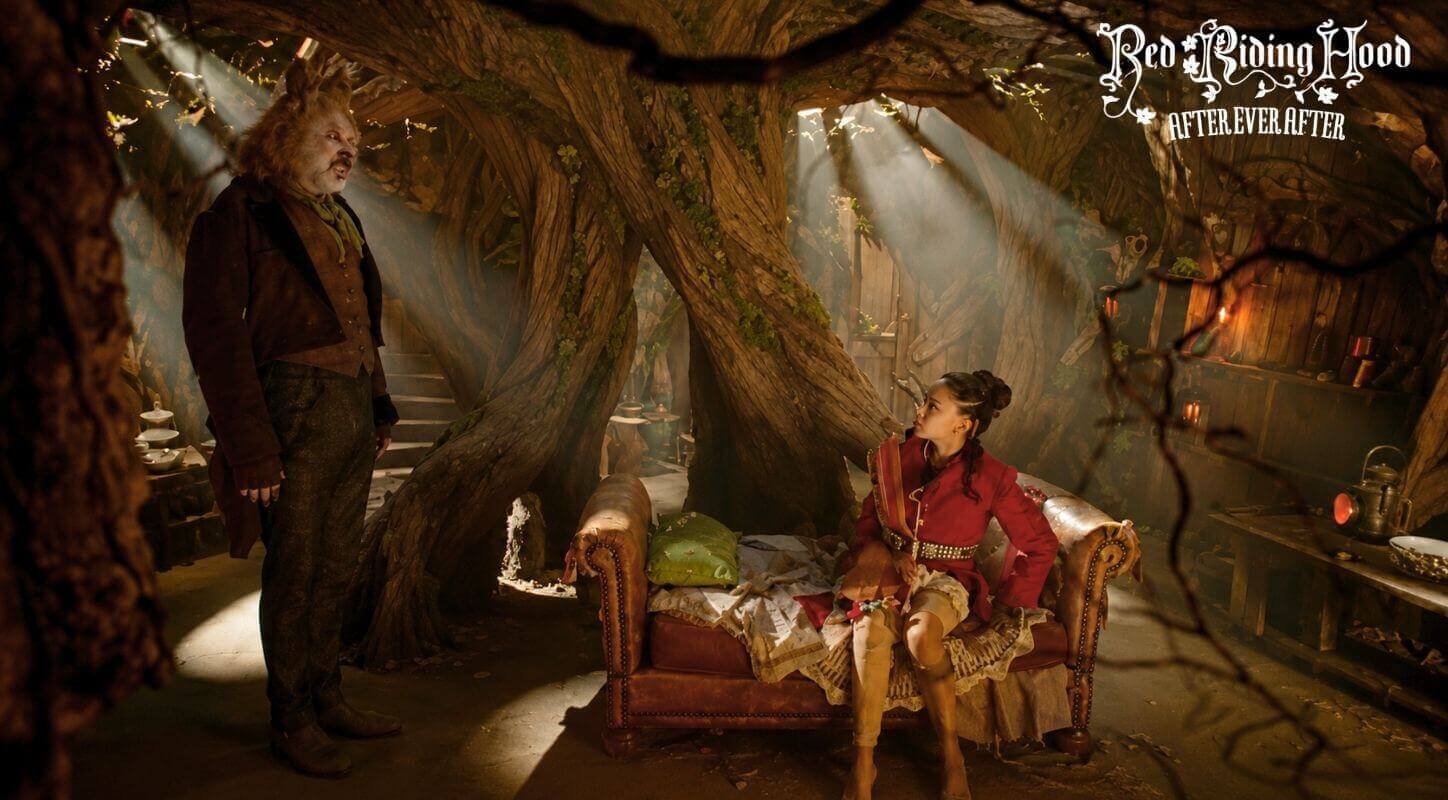
Production Designer
The Production Designer leads the overall creative direction of a production.
Working closely with the director and cinematographer, they help define what the world of the film, television show or commercial should look and feel like. They interpret the script visually, considering period, tone, location, colour, texture, architecture and atmosphere.
A Production Designer is not simply choosing how things look. They are shaping the look of the production and guiding the people who help bring that world together.
For Production Designer Maria, the role is rooted in research, ideas and collaboration. Her route into the industry began with theatre, fashion and performance, before studying Theatre Design at Wimbledon School of Art. After graduating, Maria was installing a stand at Olympia with Totom when a chance encounter led to freelance work with Andrew Lloyd Webber’s company that lasted the better part of a decade, before she went on to work across theatre, commercials, music videos and drama.
“It’s not just about one person, it’s us together as a team.”

Supervising Art Director and Art Director
The Supervising Art Director and Art Director work closely together, though their focus is different.
The Supervising Art Director helps manage the overall delivery of the art department: budgets, schedules, the coordination of Art Directors, and the day-to-day running of the department across sets and locations. Depending on the scale of the production, they may be overseeing just one Art Director or several working across different sets at the same time. On smaller productions, this role may not exist, with those responsibilities sitting with the Art Director or Production Designer instead.
The Art Director works more closely at the level of individual sets. They help turn the creative vision into something that can be drawn, costed, scheduled, built and filmed, working closely with construction, set decoration, graphics, scenic teams and other departments.
Oskar Arnold Derozario’s route into the art department started very early. From around the age of six, he was often taken to studios by his dad, Russell, a Production Designer, while he was working on commercials. By twelve, Oskar was helping as a runner, assisting on standby, and sometimes appearing as an extra or stand-in.
He later studied Fine Art at Brighton and spent his holidays working on graphics for the art department. Starting in graphics gave him a strong grounding in the details that help make a set feel specific to its world.
Totom first worked with Oskar when he was working as a Graphic Designer on projects including Jolt and The Hitman’s Bodyguard. Since then, he has moved into Art Direction, with Totom working with him on productions including Argylle, Cleaner and the soon-to-be-released Mutiny.
His route is a good example of how careers in the art department are not always fixed or linear. People build experience across different roles, departments and types of production, and each stage gives them a clearer understanding of how sets come together.
We spoke to Oskar about his route into the industry and what the role involves day to day. Read his story here.

Set Decorator
The Set Decorator gives a space its character, texture and detail.
Working from the Production Designer’s concept, the Set Decorator considers what fills a room and why it is there. Furniture, objects, fabrics, books, artwork, paperwork, personal belongings and all the small details of a space can tell us something about a character, a period, a place or a way of life.
Set decoration is not simply about dressing a space. It is about making it feel believable and specific.
Set Decorator Belle Mundi’s route into the industry began in fine art, before moving through theatre, opera and props. She studied Fine Art at WSCAD and completed an MA at Central Saint Martins, with early work at English National Opera giving her a grounding in performance design.
After several years in theatre and opera, Belle moved towards film and TV, training at Film Design International at Pinewood Studios. Her first film job came on Ridley Scott’s Robin Hood, making and ageing leather props and wooden chests.
That breadth of background shows in her approach: for Belle, the job is finding the specific detail that makes a space feel inhabited rather than arranged.
“The more life experience and training you can bring to set decoration, the more resources you have to draw on when making design decisions.”
We spoke to Belle about her route into the industry and what the role involves day to day. Read her story here.

Construction Manager
That means working out how something should be constructed, what materials are needed, how the build should be scheduled, who needs to be involved and how to keep the work moving under production time pressures.
Danny Brown, Construction Manager at Totom, is one of the people who helps make that happen.
Danny joined Totom as an apprentice after starting out working at Halfords and bricklaying with his dad. He found a lasting passion for carpentry and progressed from Apprentice to Carpenter, Chargehand and then Construction Manager within ten years.
His role today is about much more than carpentry. It is about understanding the build, planning the work, managing the team and getting the best from each person involved.
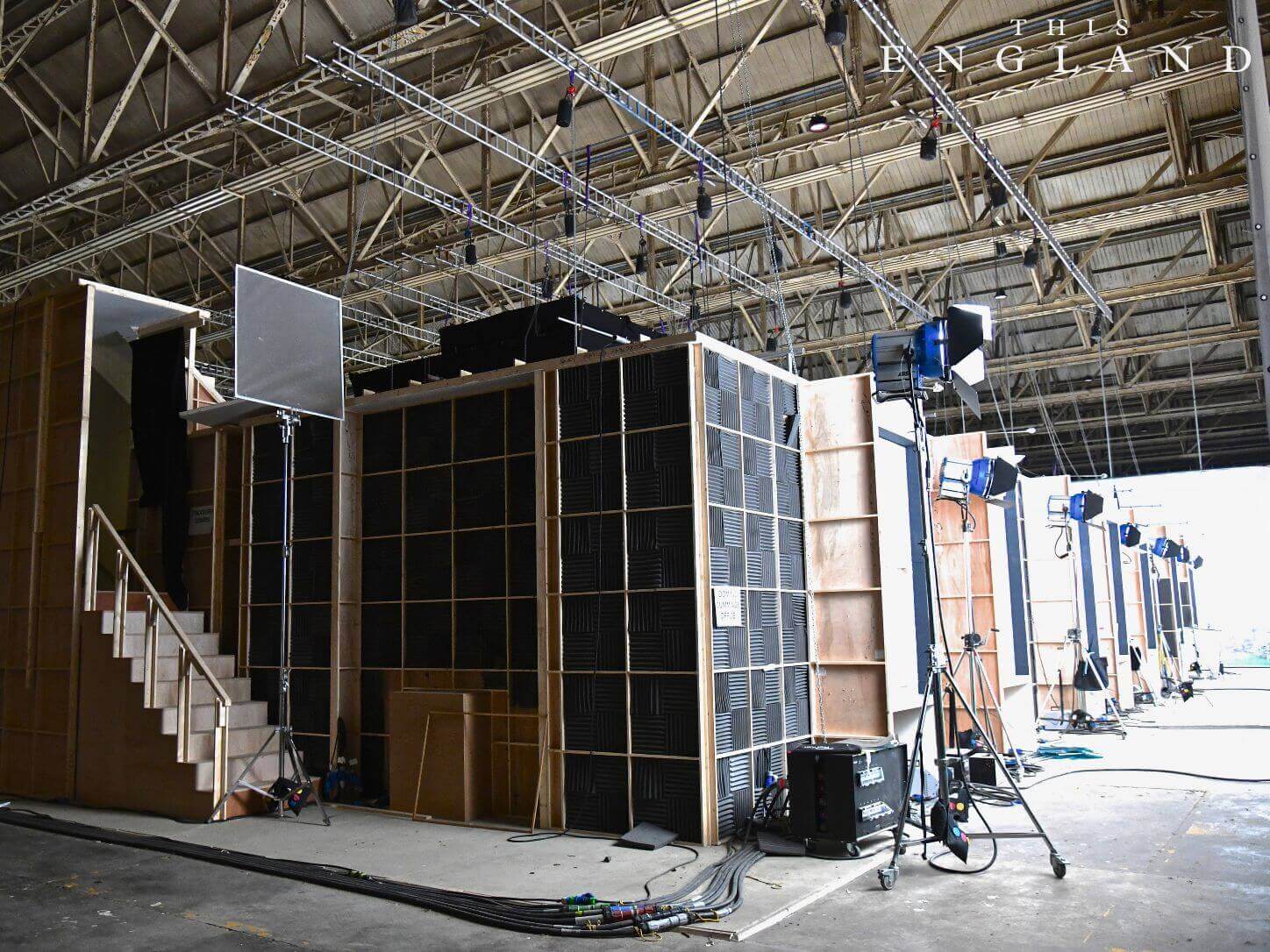
Scenic Artist
The Scenic Artist adds the finish that helps make a set believable on camera.
That might mean paint effects, ageing, distressing, texture, signwriting, murals, stone, woodgrain, marble, plaster, rust, dirt, or any number of finishes that help tell the story of a space.
A set can be newly built, but the camera may need it to feel like it has existed for years. Scenic work is often what gives a surface its age, atmosphere and history.
Scenic Artists work closely with the Production Designer, Art Director, Construction Manager and wider scenic team to make sure the finish supports the design. It is a skilled role that combines artistry, speed, technical knowledge and an understanding of how surfaces read under lights.
Harry, Scenic Artist at Totom, came into the role through a practical route. After leaving school, he worked as a labourer on building sites, where he quickly picked up a paintbrush. That led to a two-year college course and several years of freelance painting and decorating, working alongside his dad.
He later joined Totom’s scenic team, working closely with Ricky, Totom’s Head Scenic Artist. Over the last few years, Harry has learned many of the scenic techniques and finishes on the job, developing the practical eye needed to make newly built surfaces feel believable on camera.
“For the last five years, Ricky has taught me everything I know.”
For Totom, this is often where the build takes on its final character.
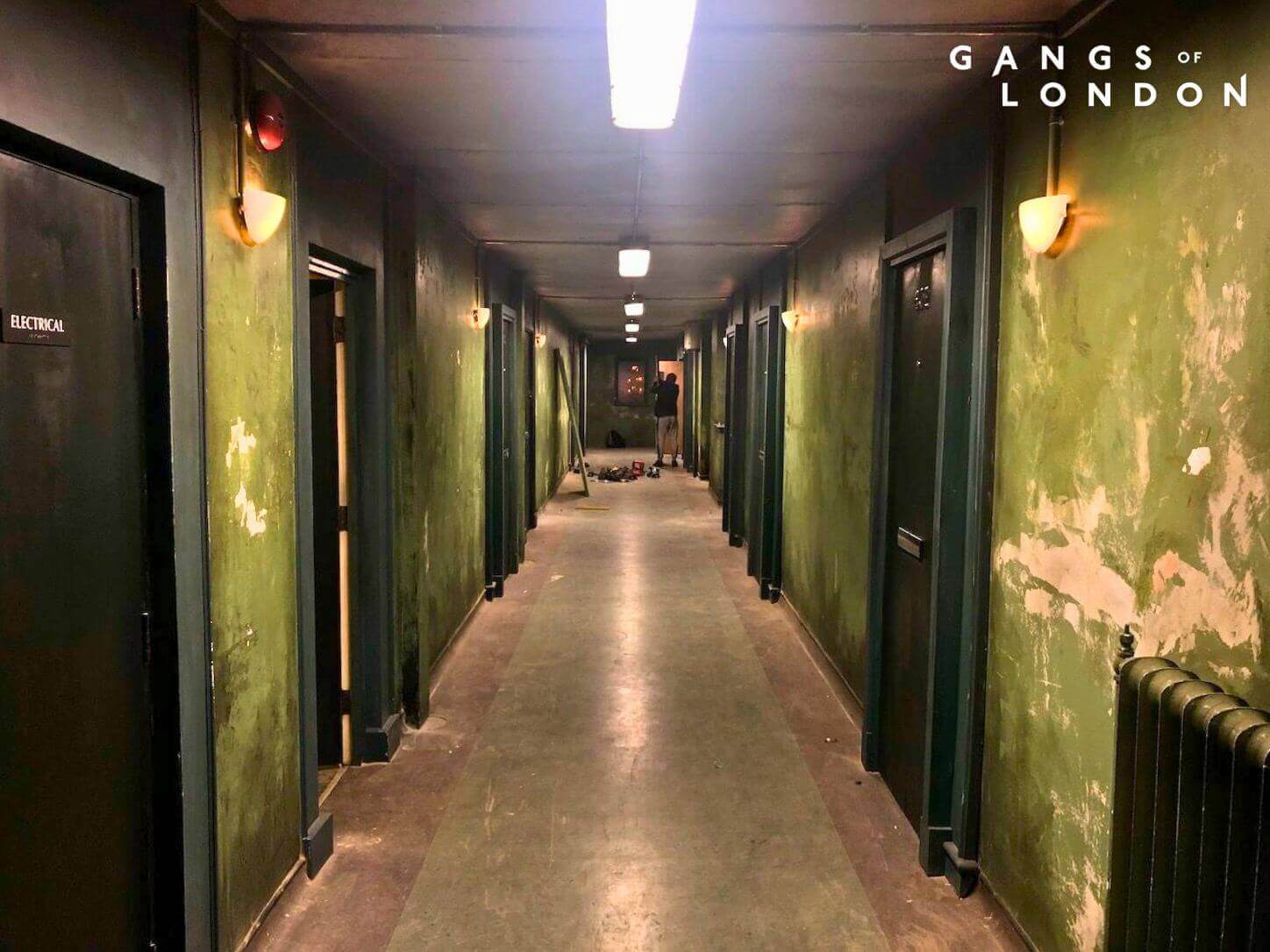
Other roles that support the art department
Depending on the project, that might include prop makers, model makers, graphic designers, buyers, standby art directors, draughtspersons, greens teams, polycarvers, scenic carpenters and specialist fabricators.
Some sit within the art department. Others work alongside it, supporting the design through construction, scenic finish, dressing, props or specialist making.
These roles are often where very specific details come together: a carved moulding, a printed sign, a practical prop, a model, a textured surface, or a piece of dressing that helps the set feel believable.
It is another reminder that the art department does not work in a simple hierarchy. It is a network of people with different skills, all helping turn design intent into something physical and practical.
How the roles work together
In reality, it is much more collaborative than that.
A set may move back and forth between design, construction, decoration and scenic finish many times before it is ready to shoot. A practical issue can affect a design decision; a scenic finish can change how a surface is built; a piece of dressing can alter the feel of a room. When a schedule changes, everyone rethinks together.
The best results come when everyone understands the goal and communicates clearly.
At Totom, we often sit at the point where design intent becomes a physical build. That means understanding not just what something should look like, but how it can be built, filmed and delivered to schedule.
That is where collaboration matters most.
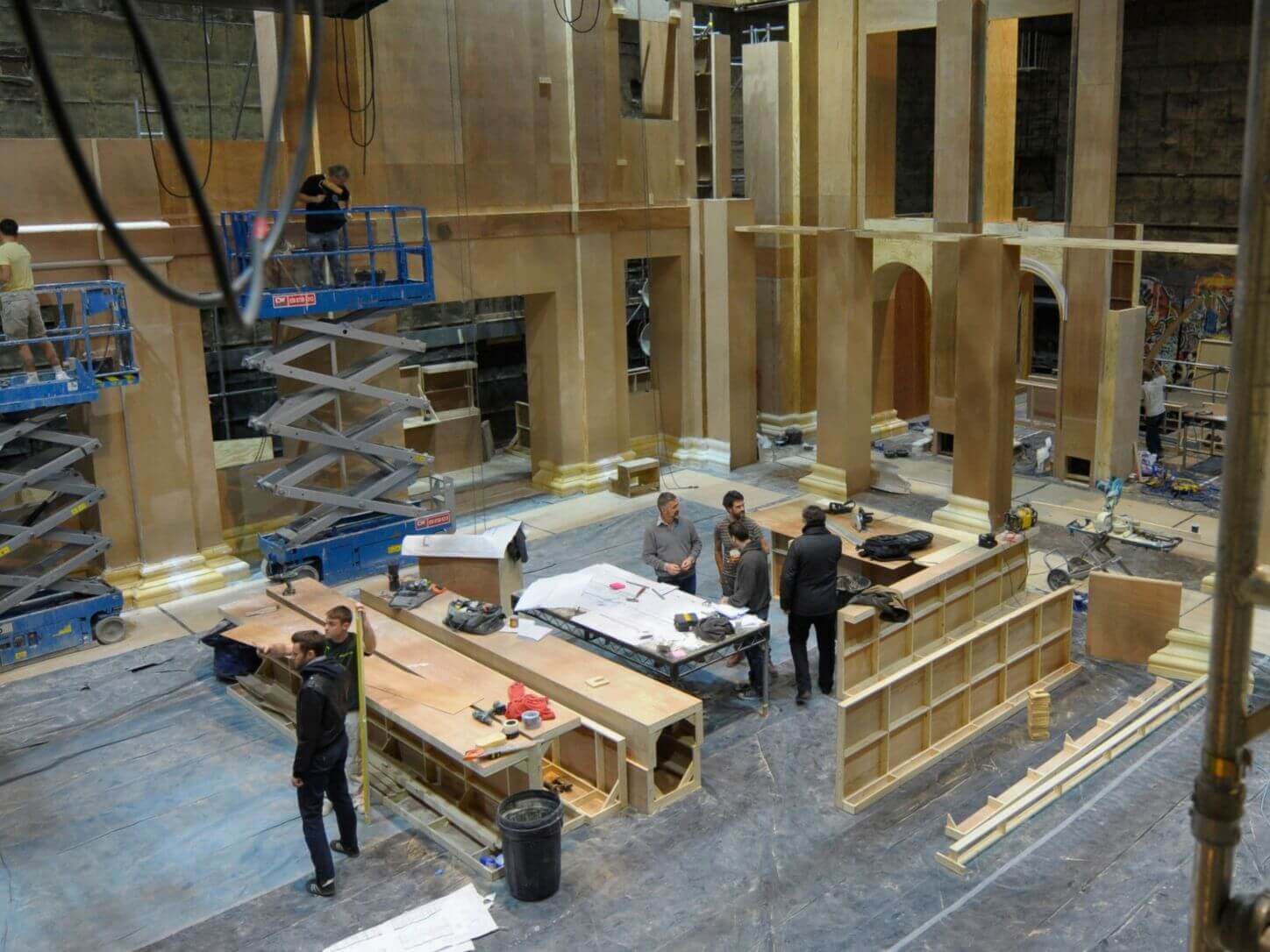
Routes into the art department are rarely the same
Maria’s began with theatre, fashion and performance.
Oskar’s began around studios and later moved through fine art, graphics and Art Direction.
Belle’s moved from fine art into theatre, opera, props and set decoration.
Danny’s began through practical construction and on-the-job training.
None of those routes are identical, and that is part of the point.
The art department and the wider teams around it bring together people with backgrounds in fine art, theatre, architecture, graphics, construction, fashion, materials, research, sculpture, carpentry, scenic painting and many other areas.
What connects them is the shared job of building a world that works for the story.
From idea to finished set
Every decision has to work not just on paper but in the room, under lights, on camera. That takes people who think creatively and practically at the same time.
That is what this series is about: the people behind the roles, the routes that brought them into the industry, and the collaboration that turns an idea into a physical world on screen.
We’re sharing more from the people behind these roles, looking at how they got started, what their work involves, and how collaboration helps turn design intent into a finished set.
